
Growing Curiosity: How Schoolyard Gardens Cultivate Learning, Connection, and Community
In this blog, we explore how schoolyard gardens do more than grow vegetables. You will see how they turn schoolyards into outdoor classrooms, support learning, celebrate cultural diversity, and build social and emotional skills. From lessons in the garden to community celebrations, these spaces teach kids and neighborhoods lessons that last well beyond the growing season.
Want to learn more about The Giving Grove straight from your inbox? Consider subscribing to our quarterly newsletter!
Contributed by Sarah Sikich, Director of Marketing & Communications and Crystal Fritz, Schoolyard Gardens Coordinator at Kansas City Community Gardens
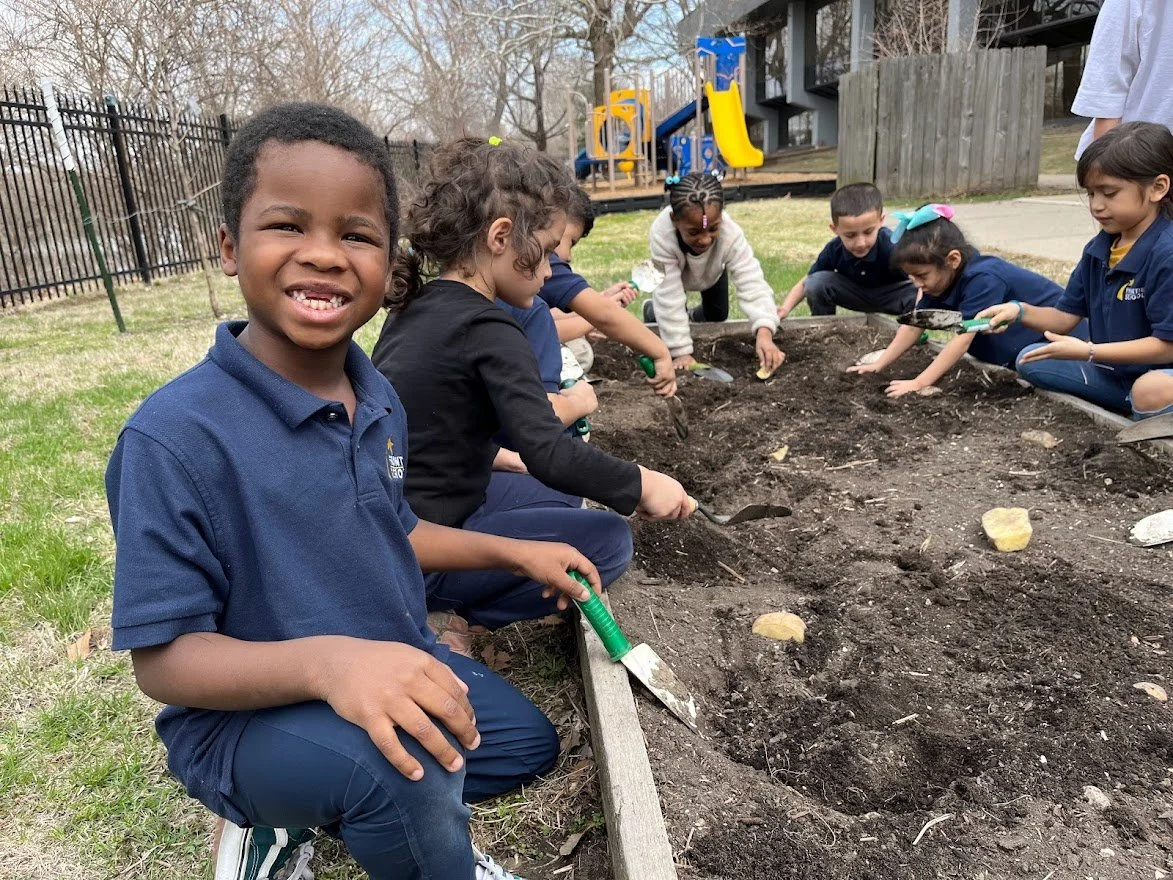
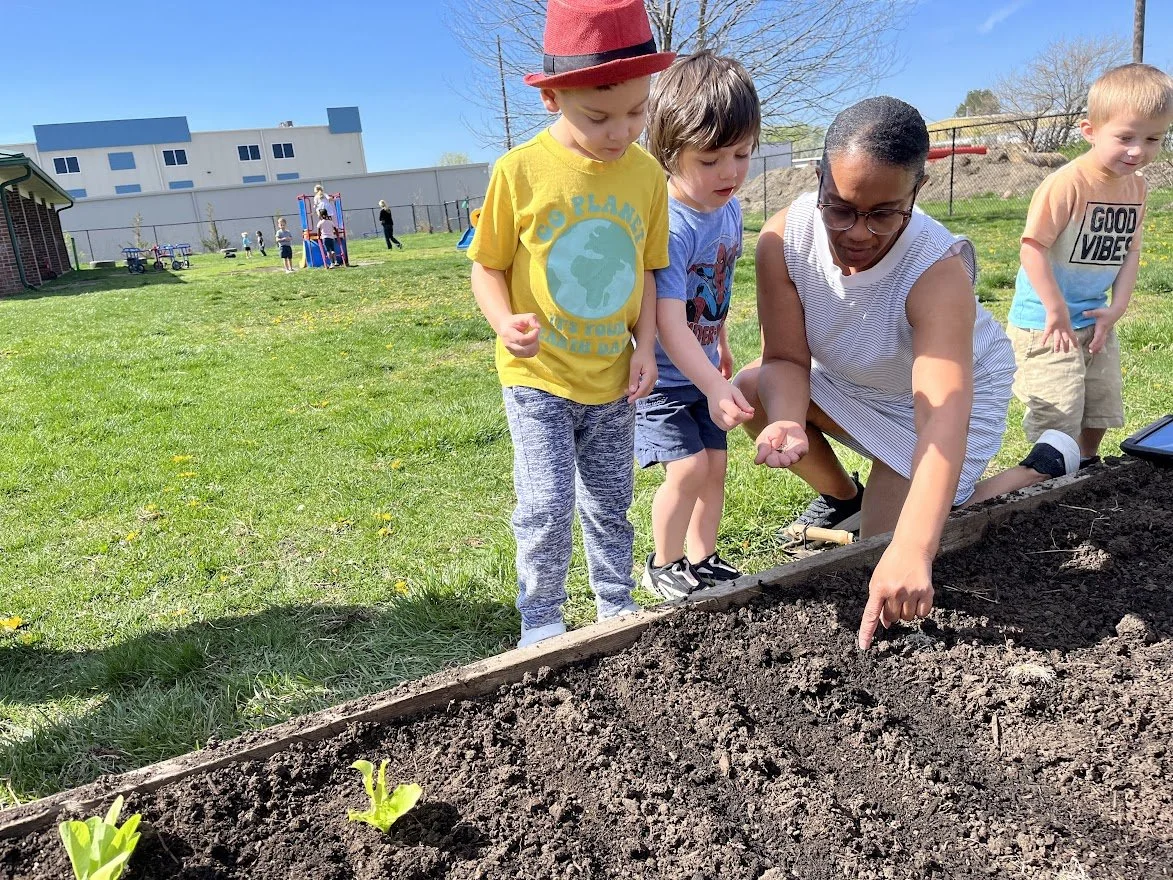
On Wednesday mornings at a south Kansas City elementary school, the schoolyard hums with life long before the first bell rings. The sound isn’t from buses or chatter in the halls, it’s laughter spilling from the school garden. Dozens of students, wearing tiny gloves and holding trowels, tend to raised beds of kale, herbs, and gourds. They’re members of their school’s Garden Club, an early-morning crew that digs, weeds, tastes, and wonders together.
Twelve years ago, this patch of ground was just grass beside a shuttered school. In 2013, when the school had been closed due to low enrollment, community members and staff from Kansas City Community Gardens planted a vegetable garden and a Giving Grove orchard of fruit trees to spark community interest in reopening the school. That seed of an idea grew, literally and figuratively. Today, the school thrives, its orchard and garden bursting with life, serving not just as outdoor classrooms but as symbols of what can grow when a community invests in the next generation.
Across the Giving Grove network, nearly a third of orchards (about 29 percent) are rooted in schoolyards. These green classrooms are flourishing in cities nationwide, giving students a firsthand connection to food, nature, and one another.
Why Schoolyard Gardens Work
“Gardens offer an opportunity for teachers to lead hands-on lessons in science, math, and art,” says Crystal Fritz, Schoolyard Gardens Coordinator with Kansas City Community Gardens (KCCG), Giving Grove’s founding affiliate. “Digging, planting, and caring for plants helps students better retain knowledge through real, memorable experiences with nature and growing their own food.”
This experiential learning is exactly what educators (and parents) are seeking as outdoor learning gains renewed attention after years of indoor, screen-based instruction. Research consistently shows that time in nature boosts concentration, reduces stress, and improves social dynamics in schools. In a garden and orchard space, lessons are alive. Fractions turn into measuring garden beds; art becomes leaf prints and pollinator sketches; science unfolds in the life cycle of an Asian pear.
A Reflection of Community
At KCCG, more than 240 schools participate in the Schoolyard Gardens program. Fritz explains that these gardens often mirror the cultural diversity of their student bodies.
“Teachers will ask students what they’d like to grow,” she says. “That sparks conversations about favorite family dishes or recipes from their culture. A student might suggest planting cilantro or okra or bok choy because that’s what their family cooks at home.”
Those conversations bloom into cultural pride and inclusion. A single garden bed becomes a mosaic of global food traditions, and a gathering space where differences are celebrated through flavors and stories.
Lessons That Last Beyond the Growing Season
While planting tomatoes or harvesting lettuce may seem like simple tasks, Fritz notes the deeper lessons that stay with students for life.
“Growing your own food is a valuable skill that not everyone gets to experience,” she says. “Even if they don’t realize it now, it becomes useful as they grow into adults and look for ways to supplement their meals and budgets.”
Just as importantly, students learn teamwork. “Working together as a group or community toward the shared goal of growing vegetables is a skill in itself,” Fritz adds. Those skills —collaboration, patience, and responsibility —take root well beyond the schoolyard.
Growth in Every Sense of the Word
The academic benefits of gardening are only part of the story. The social and emotional impacts are equally profound.
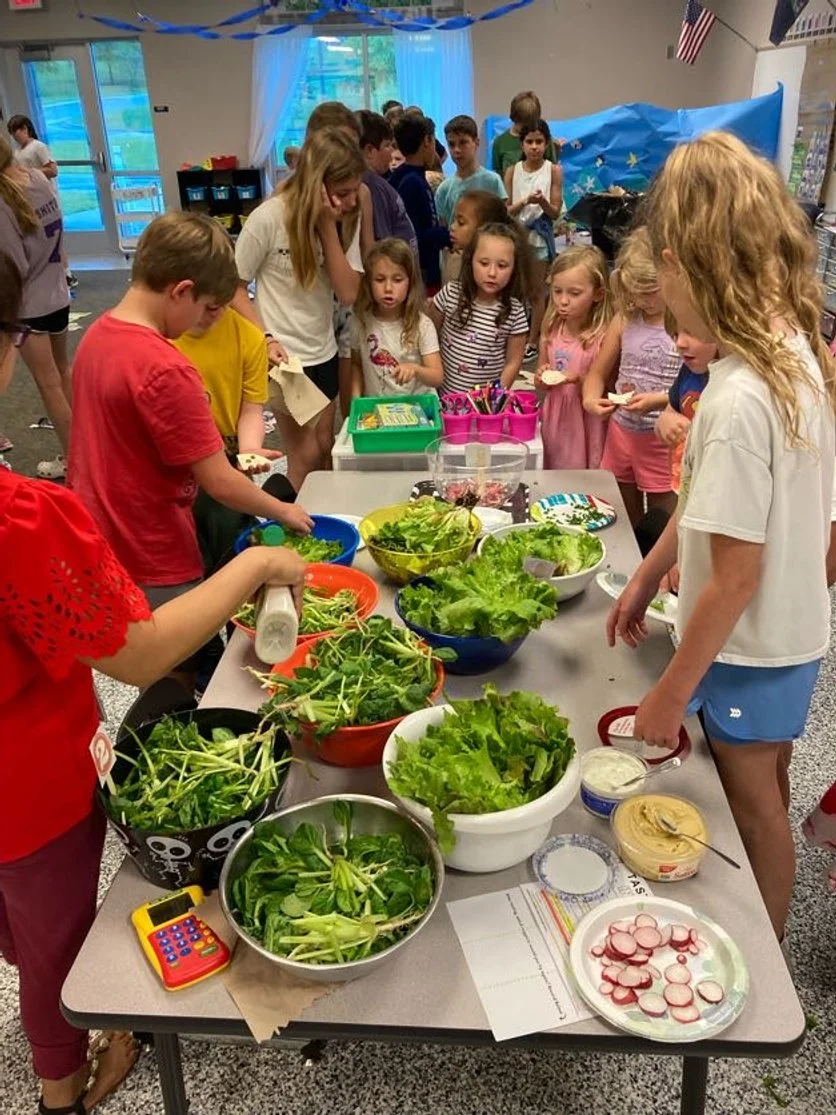
“For students who’ve never gardened before, eating food from the garden might feel unfamiliar or uncertain,” says Fritz. “But once they’ve planted seeds, watered them, and seen their peers enjoy the harvest, they get excited. They start to see food differently.”
Growing food can also nurture confidence and connection. Students who may be quiet in the classroom often open up outside, where learning feels less structured and more shared. Teachers report that time spent in the garden and orchards helps students build empathy, problem-solving skills, and even self-regulation.
Seeing the Bigger Picture
School gardens and orchards are also powerful tools for teaching environmental awareness.
“When students experience the full garden cycle, they understand where vegetables come from and how insects, weather, and soil health affect growth,” Fritz explains. “They learn that protecting pollinators and caring for the environment are essential to growing food successfully.”
This direct connection between cause and effect transforms abstract concepts like “ecosystem balance” or “climate resilience” into something personal and actionable.
Transforming School Grounds and School Culture
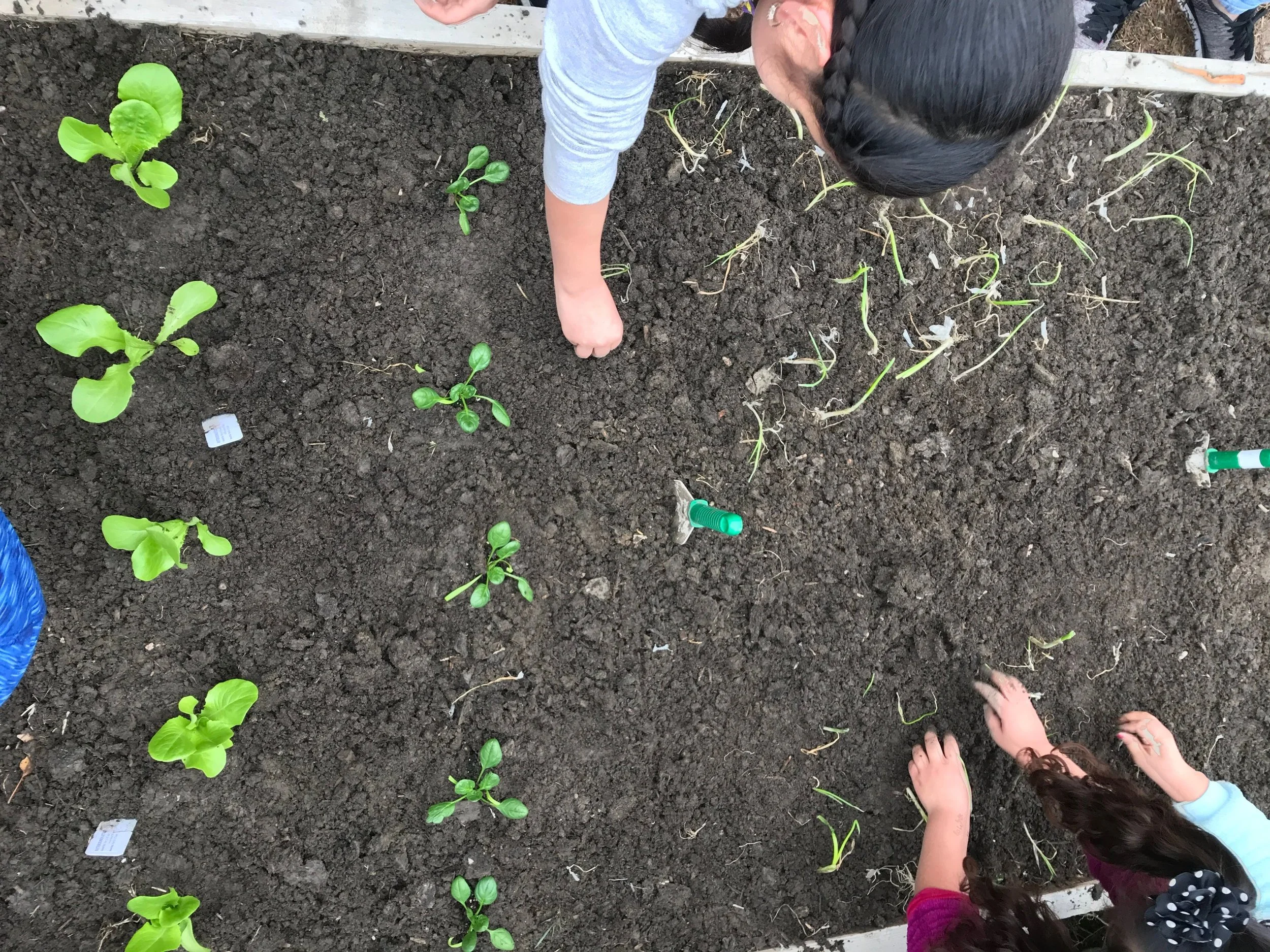
Fritz has watched countless schoolyards transform from empty patches of land into vibrant, green hubs of activity. “The most visible change is that a once-unused space becomes a place students and staff enjoy,” she says. “Teachers can bring out students who need a break from the classroom, and families are invited to participate and benefit from the harvest.”
These spaces become gathering points not just for students, but for entire neighborhoods. Garden workdays and harvest celebrations draw families to campus, strengthening bonds between schools and their surrounding communities.
A Story of Success… and Shared Lettuce
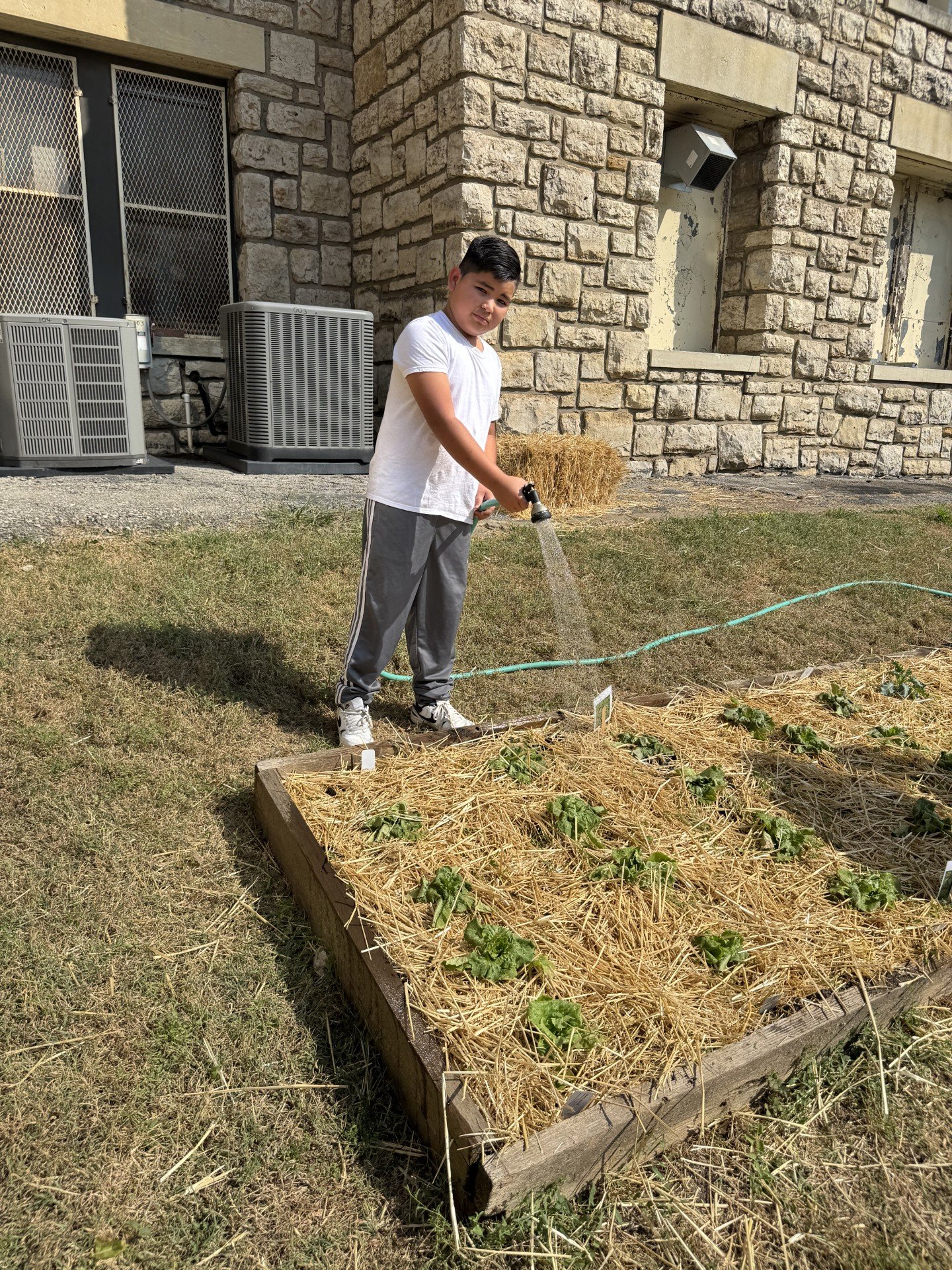
One of Fritz’s favorite success stories comes from Kansas City International Academy. Two resource teachers, Dorothea and Dorothy, were new to gardening when they attended KCCG’s summer workshop for educators. They learned how to plant seeds and transplants, when to water, and why mulch matters.
When the school year began, they started a Garden Club and planted lettuce and kale with their students. Weeks later, when Fritz visited, she assumed rabbits had gotten to the crops. “When I saw the garden, I was sad to see that all the lettuce and kale had been eaten by what looked like rabbits. I informed them of the pest destruction, and they just laughed and said, ‘Oh no, we harvested all that! It went to the cafeteria for lunch, and we even sent lettuce home with students.’”
For Fritz, moments like this illustrate the heart of the program: new gardeners becoming leaders, students eating food they grew themselves, and a school community sharing abundance.
Overcoming Challenges, Together
Maintaining a garden can feel daunting with all the watering, weeding, and scheduling involved. Fritz’s advice: build a sense of ownership across the school.
“Create a bulletin board titled ‘What’s Growing On’ with photos, updates, and a watering schedule where classrooms can sign up,” she suggests. “Invite families to garden workdays or celebrate the harvest together.”
When everyone plays a role, the garden becomes a shared asset, sustainable even through summer months and staff changes.
Growing the Next Generation of Stewards
As conversations about climate, food systems, and sustainability grow louder, from global events like Climate Week to local PTA meetings, schoolyard gardens and orchards are emerging as living laboratories for the next generation of environmental stewards.
About the author:
Sarah Sikich is Director of Marketing & Communications at The Giving Grove, where she leads storytelling, brand strategy, and national campaigns that amplify the power of community orchards. A longtime advocate for urban horticulture, she blends creativity and data-driven strategy to inspire action and celebrate the growing Giving Grove network.