
Regenerative Agriculture & Giving Grove
Regenerative agriculture is more than a farming trend, it’s a movement to restore life to the soil, strengthen communities, and build a healthier planet from the ground up. In this blog, you’ll learn what regenerative agriculture means, how its principles are thriving in community gardens and Giving Grove orchards, and why businesses across the country are beginning to invest in these regenerative practices that give back more than they take.
Want to learn more about The Giving Grove straight from your inbox? Consider subscribing to our quarterly newsletter!
Contributed by Sarah Sikich, MA, Director of Marketing & Communications & Ryan Watson, National Orchard Operations & Education Manager
What Is Regenerative Agriculture & How You Can Spot It in Community Gardening
At its core, regenerative agriculture is about giving back more than we take. Rather than simply sustaining the land, regenerative practices actively rebuild soil health, restore ecosystems, and strengthen local food systems. While the concept often brings to mind broad-acre farms and cover-cropped fields, its principles are just as vital in urban settings, especially community gardens and orchards.
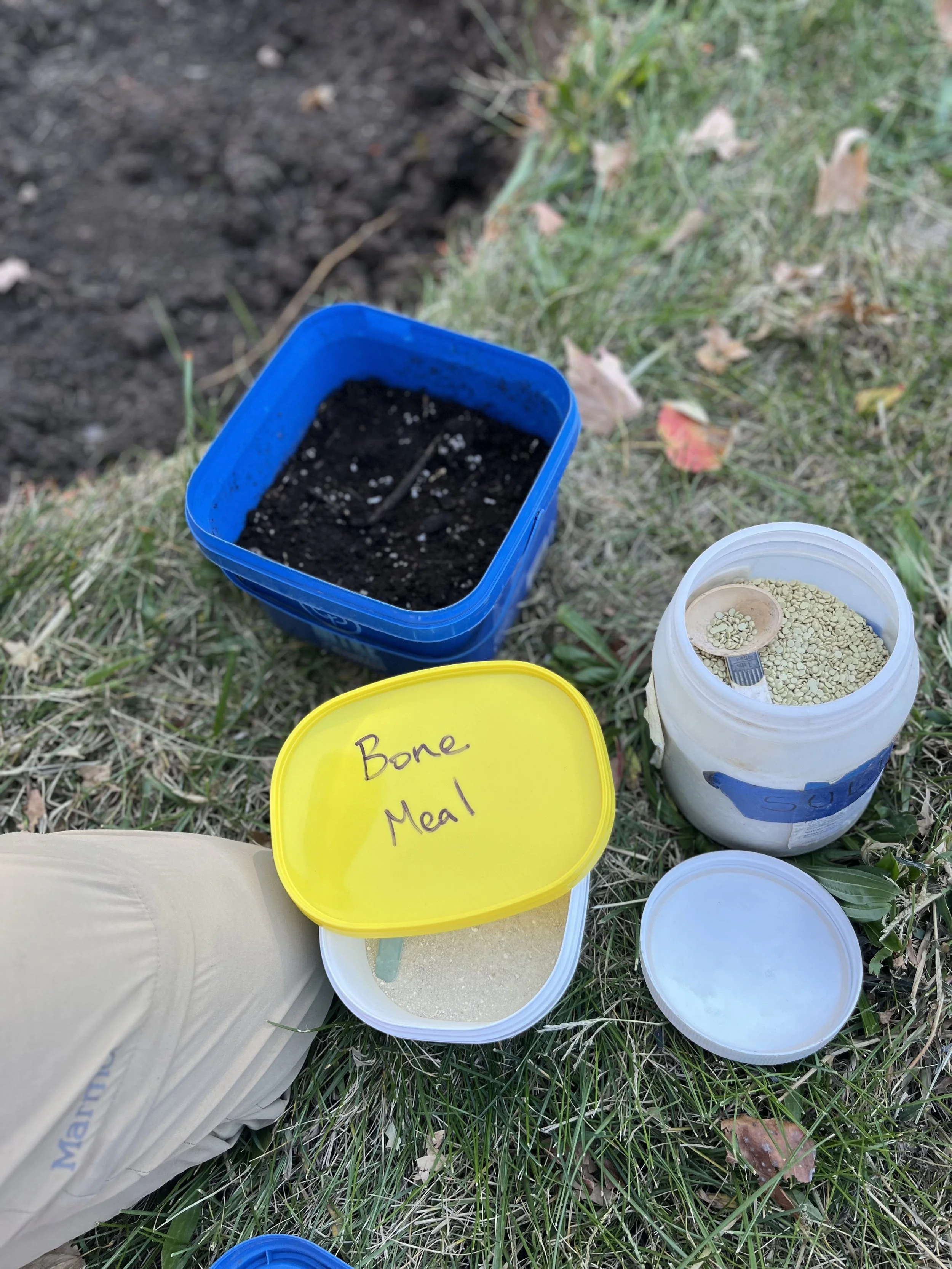
Soil amendments
Community gardeners and orchardists understand that even small spaces can have a big impact. In cities where soil is often compacted, paved over, or stripped of life, regenerative agriculture offers a path to renewal. Restoring soil structure, increasing organic matter, and inviting biodiversity to help transform once-barren lots into thriving ecosystems. These living landscapes not only produce food, but they also cool neighborhoods, manage stormwater, and nurture a sense of belonging. Gardeners see firsthand how healthy soil creates healthy communities.
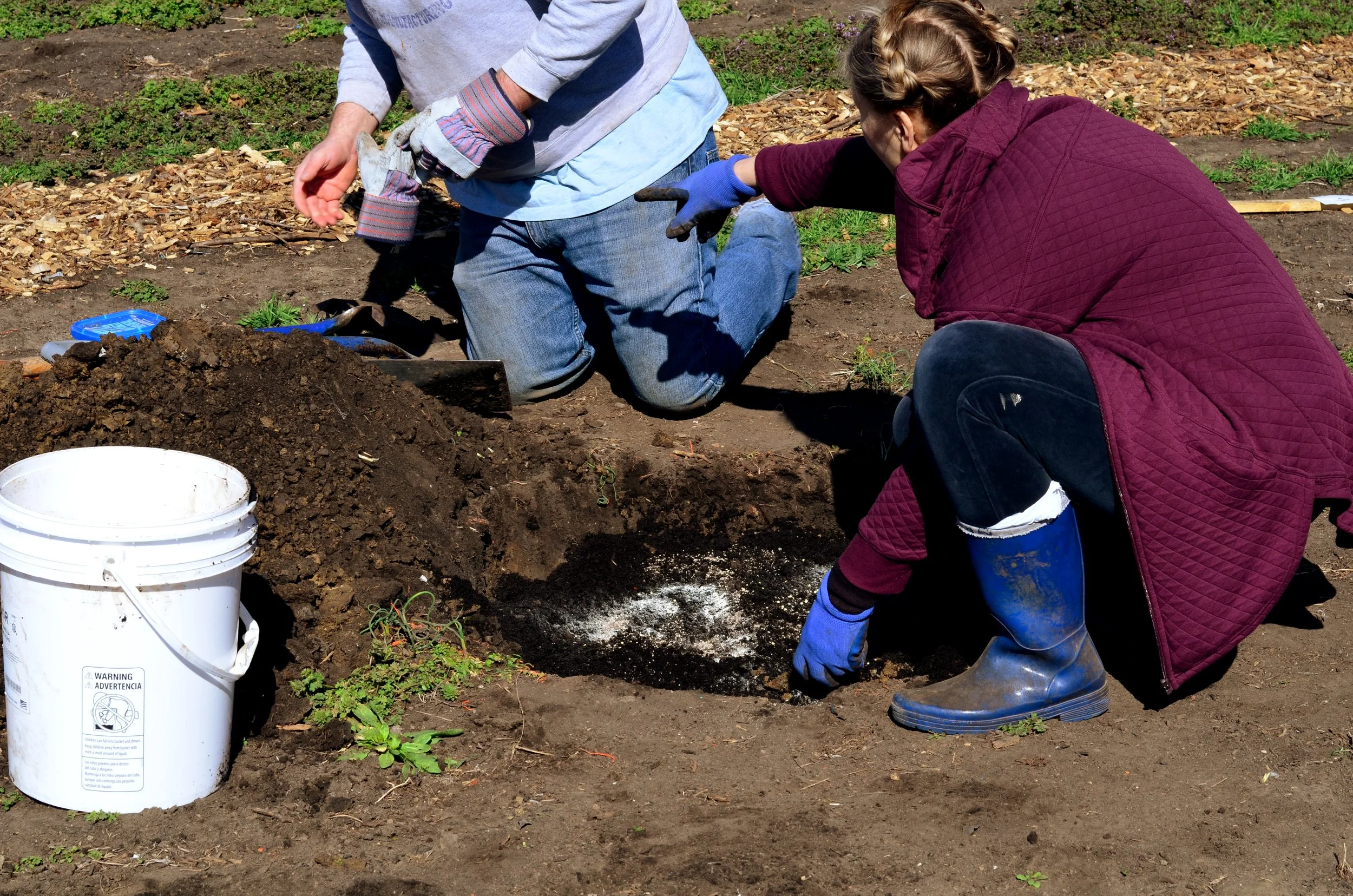
Regenerative Practices in Giving Grove Orchards
At the Giving Grove, we encourage our stewards to utilize regenerative agriculture practices in order to maximize the ecological benefits of our little orchard spaces all across the country. By incorporating these techniques into our orchards, we can ensure that we are creating a positive impact on the urban environment, while also improving the quality, quantity and nutritional value of the fruit that is harvested from the orchard. Some of the regenerative agriculture practices that we teach stewards to implement include:
A Commitment to Holistic Care with No Chemical Pesticides or Fertilizers: Our orchard stewards are trained how to combat pests & diseases with a holistic approach, which effectively tackles the challenges of pests and diseases in the orchard without using harsh chemical fertilizers and pesticides, which have a tremendously negative impact on the environment and our waterways.
Improving Soil Fertility and Organic Matter: We teach our stewards that the key to healthy trees is maintaining healthy life in the soil. From the use of added organic matter with ramial wood chips (small diameter branches that have high amounts of lignin, a protein in wood which feeds the underground mycorrhizae system that provides nutrients to the trees). Through our partnership with Coast of Maine’s Growing Good Program, affiliate partners in our network are able to request compost donations for their orchards, which helps to create thriving life in the soil, resulting in better quality and higher nutritional value of fruits.
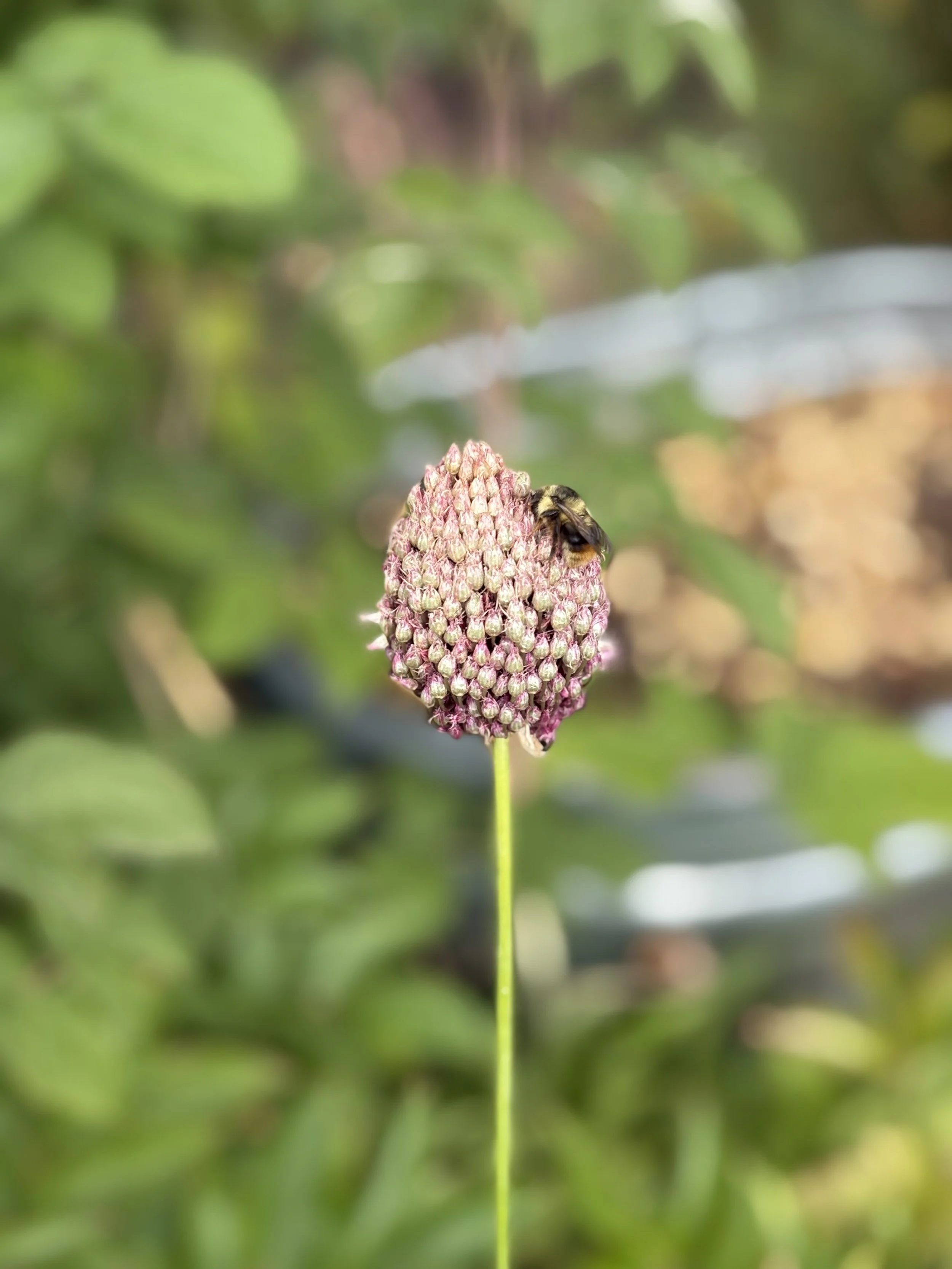
Keeping Soil Covered Using Cover Crops: We encourage our stewards to utilize plants called “cover crops” in the orchard. These plants, like nitrogen-fixing legumes such as clover, help to keep the ground covered, maintain appropriate levels of soil moisture, while also building soil fertility and providing habitat for beneficial insects and pollinators. This also improves the carbon sequestration functions of the trees and builds resilience against pests and diseases.
Creating Beneficial Insect Habitat: One of the best ways to combat pests in the orchard is to build the understory plant diversity in the orchard to create beneficial habitat for predatory insects that reduce the populations of pests that do damage to fruit and fruit trees. By incorporating various techniques to encourage beneficial insect populations, such as leaving bare ground, building brush piles and planting a diversity of plants in the orchard space, we lean into the natural systems of defense against these challenges to orchard success.
Encouraging Diversity in the Orchard: At the Giving Grove, we encourage our stewards to incorporate a wide variety of trees, shrubs and plants in the orchard. Monocultures of only one plant are more susceptible to challenges, as it creates an environment that By providing this type of diversity of plant life creates an ecosystem that mimics the forest environment, providing a wide variety of food sources and beneficial habitats
Building Increased Resilience - By focusing on building the underlying health of the plant, through soil tests, the addition of holistic sprays, and encouraging beneficial microbial life through the techniques of Korean Natural Farming, we are increasing the resilience of these orchard spaces and, in turn, our urban environments as a whole.
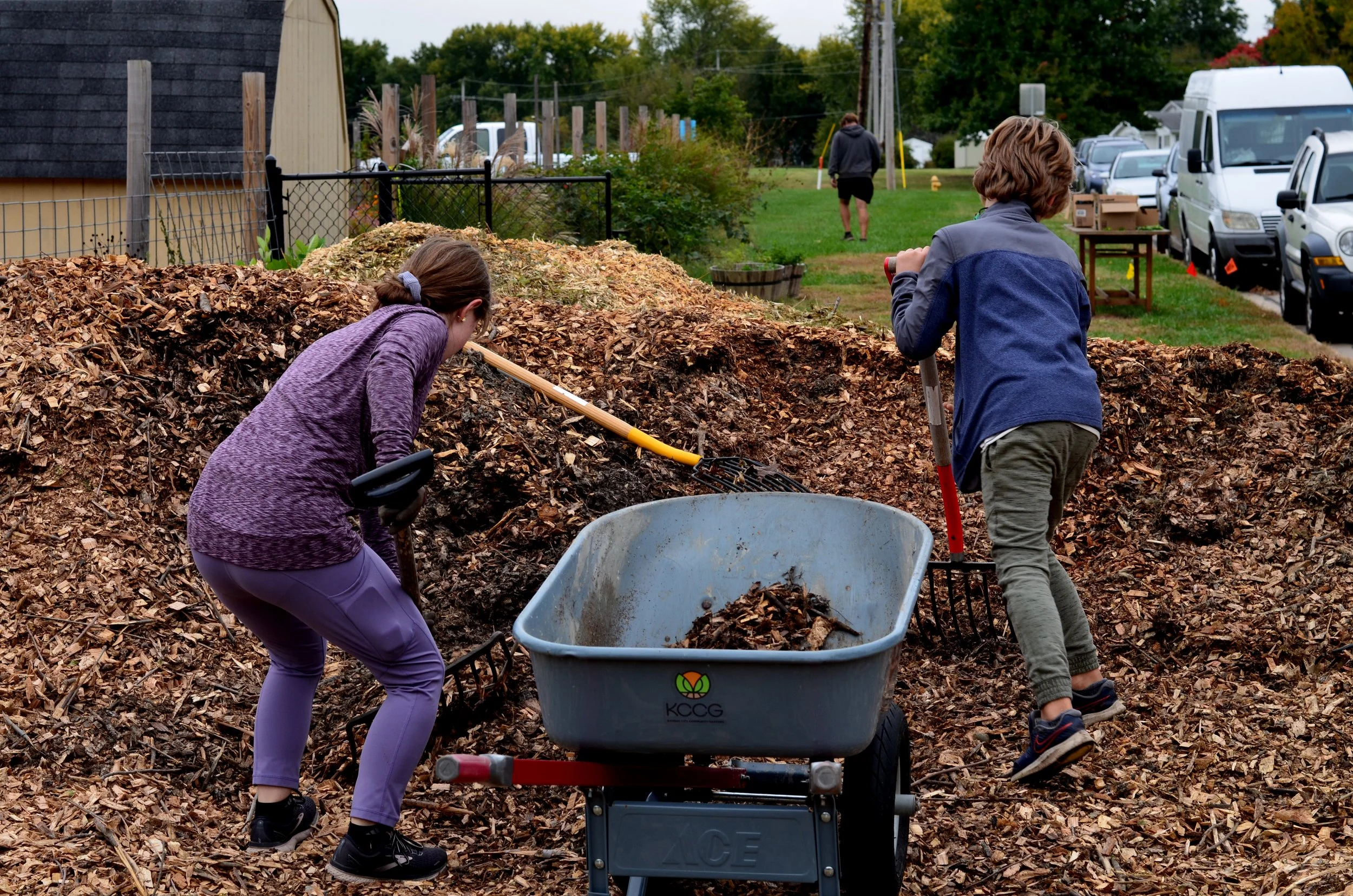
Why Businesses Are Investing in Regenerative Agriculture
Urban orchardists and community gardeners are not the only ones investing time and resources into regenerative agriculture practices. Across industries, companies are realizing that healthy soils and thriving ecosystems are the foundation of a stable economy. Investing in regenerative agriculture allows businesses to take tangible climate action while supporting community well-being.
Corporate sustainability goals increasingly focus on measurable impact (carbon sequestration, water retention, biodiversity gains), and regenerative projects deliver all three. But the value runs deeper than metrics. By supporting regenerative initiatives, companies build authentic stories of renewal: restoring urban soil, reconnecting people with nature, and contributing to local food security.
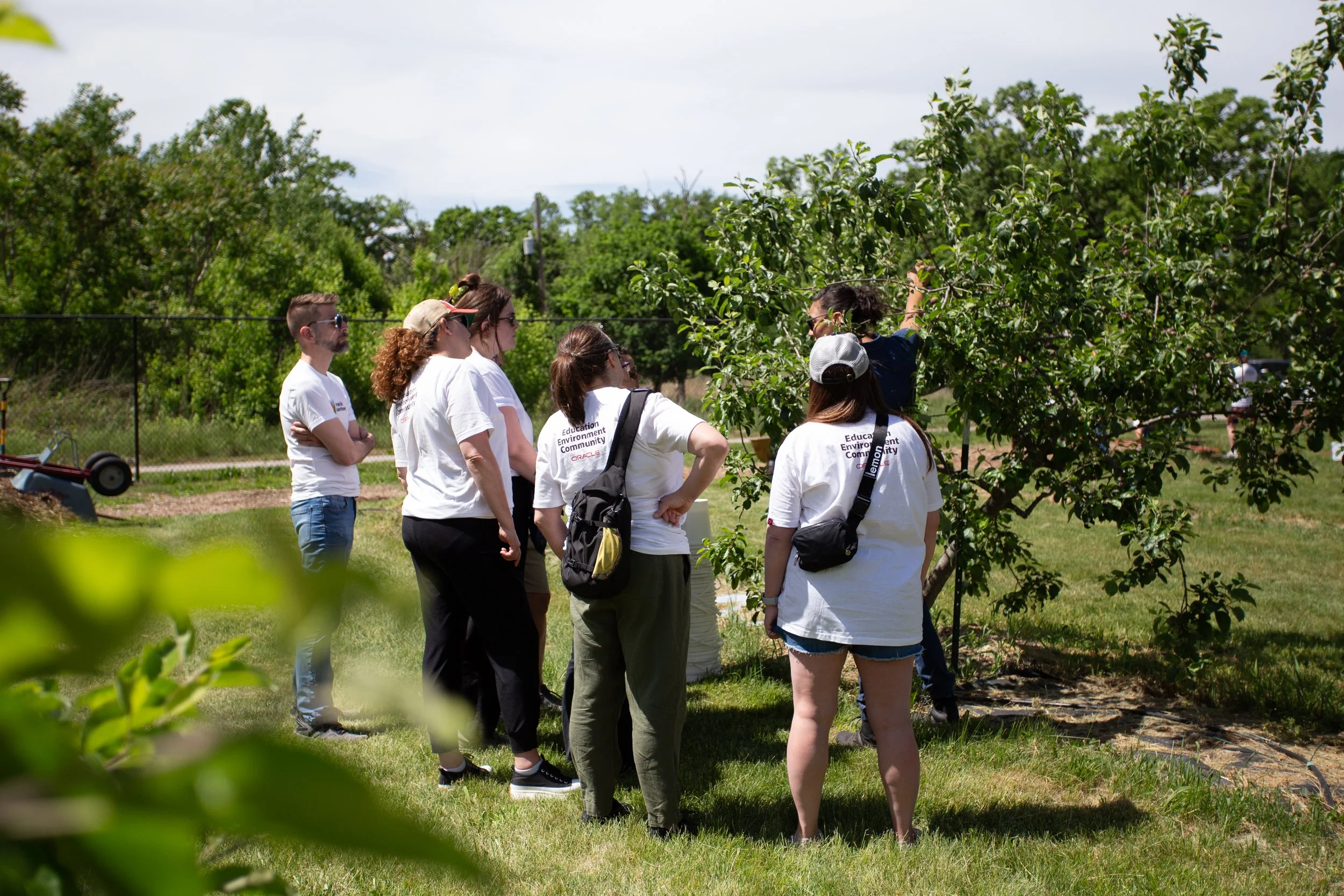
For Giving Grove’s partners, regenerative agriculture represents a way to invest in both planet and people. A single orchard can sequester carbon for decades, filter stormwater, and yield thousands of servings of free fruit. When corporate volunteers plant trees alongside neighbors, the act becomes a living demonstration of regeneration in action, an investment not just in sustainability, but in shared abundance.
Helpful Links
Understory Management (Under Pollinators/Beneficial Insects) https://www.givinggrove.org/workshop-blog/understory-management-for-pollinators
Climate Resilience Workshop (Under Cover Crops) https://www.givinggrove.org/workshop-blog/climate-resilience-home-grown-soil
Holistic Spray Workshop (Under Holistic Management/No Chemical Fertilizers) https://www.givinggrove.org/workshop-blog/holistic-spray-workshop
About the authors:
Sarah Sikich is Director of Marketing & Communications at The Giving Grove, where she leads storytelling, brand strategy, and national campaigns that amplify the power of community orchards. A longtime advocate for urban horticulture, she blends creativity and data-driven strategy to inspire action and celebrate the growing Giving Grove network.
Ryan Watson is the National Orchard Operations & Education Manager at The Giving Grove, where he supports affiliates and orchard stewards with hands-on training and horticultural expertise. Drawing on a decade of experience in community greening and urban agriculture, Ryan helps ensure every orchard thrives for generations to come.